
Thursday, 8 December 2016
A Heartfelt Thank You

Monday, 5 December 2016
Shaped Poems
This is a fun way to help students express their creativity! Allow them to choose their favourite object or thing and write a poem about in using it's shape.
Saturday, 3 December 2016
Tips to improve your writing
Do you ever feel like you are stuck in a rut when it comes to writing? Does it seem like every piece that you write are just different versions of one piece? Well, after viewing this video, this is sure to change! Here are some tips that you can use so that you can improve on your writing skills and be well on your way to being a great writer!
Writing Quotes
Short video to help students in the publishing stage of writing.
This video explains to students the steps needed when their piece is ready for publishing.
Song to teach students how to write limericks
Wednesday, 30 November 2016
A speech to our colleagues
Fellow colleagues, as we end one semester and prepare for another, I wish everyone the best, I wish everyone nothing but success during the teaching practice period. Today is the day our life begins. Today we become citizens of the world. Today we become grown ups. Today we become accountable to people other than ourselves, our children and our parents. Accountable for more than our grades. Today, we become accountable to the world. To the future. To all the possibilities that life has to offer. Starting today, our job is to show up wide eyed and willing and ready. For what, we don’t know. For anything. For everything. To take on life. To take on love. To take on the responsibility and possibility. Today, my friends, our lives begin. And, I for one can’t wait.
Prayer for all our colleagues as we begin exams. Study Hard and we wish success upon everyone.
Loving God
be with me now,
as I prepare for my exams.
be with me now,
as I prepare for my exams.
Thank you for the many talents and gifts you have
given me and for the opportunity of education.
given me and for the opportunity of education.
Calm my nerves and anxiety, help me
to remember all that I have studied,
to express it clearly and to answer the questions
the very best that I can.
to remember all that I have studied,
to express it clearly and to answer the questions
the very best that I can.
Holy Spirit, sit with me in my exam
- and always.
- and always.
In Jesus' name
Amen
This is a special poem dedicated to our course lecturer Miss Angelina Polius
Thank you for helping us
To learn what we need to know
We’ll all remember you
No matter where we go.
Thank you, teacher, for being
So nice and kind and good;
We like you so much, teacher,
We’d stay here if we could!
For Miss Angelina Polius
To learn what we need to know
We’ll all remember you
No matter where we go.
Thank you, teacher, for being
So nice and kind and good;
We like you so much, teacher,
We’d stay here if we could!
For Miss Angelina Polius
Tuesday, 29 November 2016
Reflection Six: Micro teaching (Drafting)
During this week, we were engaged in a micro
teaching session which entailed executing mini lessons on various stages in the
writing process. Our group dealt with the editing stage of the writing process
and we were able to identify some areas we could work on in order to enhance
our teaching skills and strategies in the near future.
One of the strategies which we identified as the
main method for teaching students how to go about drafting their own pieces of
writing is modelling. During this session, we were able to identify the
importance and significance of modelling in the drafting stage of the writing
process. Miss Polius, our lecturer indicated to us that we teachers should
always model or show students how to go about drafting their pieces. She indicated
that some of the key elements which we should engage in when modeling include:
thinking aloud, questioning ourselves and showing students what is being done.
Also, we also highlighted ways in which students can
use the ideas in the pre writing stage of the writing process to formulate
their sentences during the drafting stage. Since we were given the task of
drafting a descriptive piece, students were also informed about the importance
of adjectives to enhance their pieces. Hence, we learned that when teaching
students about adjectives in descriptive writing, we should highlight to
students that there are different adjectives for each object being described.
For example, a boy is handsome but a girl is pretty. The adjectives used relate
to the subject in the sentence.
Therefore, all of these tips and pointers were very
useful to us as educators. We were able to learn or acquire pertinent
information on the use of modelling and the use of adjectives when writing
descriptive pieces. As a result, this useful information will be transferred to
our students in the near future.
Wednesday, 23 November 2016
SUCCESS COMES WITH DETERMINATION
A Promise of Success
by Michael Sage
Ones potential is so huge, and so vast,
Yet, why is it, that so many fail, and usually come last?,
So few truly succeed, that when they do, others are jealous and totally aghast,
Let’s all believe in success, and I promise that failure will be part of the past.
The things you think, and the things you believe,
If they are true, then those are the things that you will achieve,
But if your thoughts are false, or they are used to deceive,
You’ll be stabbed in the back, and that is a promise that you had better believe.
Get rid of depression, worry and fear,
Because success is so often so very, very near,
Tell your subconscious , “success is mine”, and tell it to hear,
Remind it often, then success will be yours, that is a promise, my dear.
Just ask the “DIVINE”, for whatever you desire,
For happiness or abundance, or anything else to which you aspire,
It’s now time to succeed, so go ahead, set your goals, and light that fire,
Do it with passion, and I promise you this, you’ll soar higher and higher.
Sunday, 20 November 2016
One of our all time favourites. A splendid, meaningful piece by Maya Angelou, entitled STILL I RISE
You may write me down in history
With your bitter, twisted lies,
You may tread me in the very dirt
But still, like dust, I'll rise.
Does my sassiness upset you?
Why are you beset with gloom?
'Cause I walk like I've got oil wells
Pumping in my living room.
Just like moons and like suns,
With the certainty of tides,
Just like hopes springing high,
Still I'll rise.
Did you want to see me broken?
Bowed head and lowered eyes?
Shoulders falling down like teardrops.
Weakened by my soulful cries.
Does my haughtiness offend you?
Don't you take it awful hard
'Cause I laugh like I've got gold mines
Diggin' in my own back yard.
You may shoot me with your words,
You may cut me with your eyes,
You may kill me with your hatefulness,
But still, like air, I'll rise.
Does my sexiness upset you?
Does it come as a surprise
That I dance like I've got diamonds
At the meeting of my thighs?
Out of the huts of history's shame
I rise
Up from a past that's rooted in pain
I rise
I'm a black ocean, leaping and wide,
Welling and swelling I bear in the tide.
Leaving behind nights of terror and fear
I rise
Into a daybreak that's wondrously clear
I rise
Bringing the gifts that my ancestors gave,
I am the dream and the hope of the slave.
I rise
I rise
I rise.
With your bitter, twisted lies,
You may tread me in the very dirt
But still, like dust, I'll rise.
Does my sassiness upset you?
Why are you beset with gloom?
'Cause I walk like I've got oil wells
Pumping in my living room.
Just like moons and like suns,
With the certainty of tides,
Just like hopes springing high,
Still I'll rise.
Did you want to see me broken?
Bowed head and lowered eyes?
Shoulders falling down like teardrops.
Weakened by my soulful cries.
Does my haughtiness offend you?
Don't you take it awful hard
'Cause I laugh like I've got gold mines
Diggin' in my own back yard.
You may shoot me with your words,
You may cut me with your eyes,
You may kill me with your hatefulness,
But still, like air, I'll rise.
Does my sexiness upset you?
Does it come as a surprise
That I dance like I've got diamonds
At the meeting of my thighs?
Out of the huts of history's shame
I rise
Up from a past that's rooted in pain
I rise
I'm a black ocean, leaping and wide,
Welling and swelling I bear in the tide.
Leaving behind nights of terror and fear
I rise
Into a daybreak that's wondrously clear
I rise
Bringing the gifts that my ancestors gave,
I am the dream and the hope of the slave.
I rise
I rise
I rise.
Friday, 18 November 2016
HAVE A LOVELY WEEKEND

Have a blessed weekend colleagues. And remember, procrastinate now, panic later! Good Luck completing those assignments!!
~2SHA-RAS
Thursday, 17 November 2016


Reflection Five: Narrative Writing
This reflection is based on the
class session we had on the 16th of November 2016. Today, it was all about Narrative Writing. A narrative piece called “It’s
Mine!” a fable by Leo Lionni was read in the class by two of our colleagues. Ms
Polius our lecturer introduced us to a story wheel, a graphic organizer used to organize elements of a story. We had to listen
attentively and place the information of the narrative piece in the appropriate
part of the story wheel.
During the class discussion, a misconception was highlighted about the setting section of the story wheel, which was eventually addressed. The setting of a story does not only mean the place that the story is set in and it does not remain stationary. The setting of a narrative piece encompasses the time of day, the weather conditions and the surroundings the events in the story took place.
During the class discussion, a misconception was highlighted about the setting section of the story wheel, which was eventually addressed. The setting of a story does not only mean the place that the story is set in and it does not remain stationary. The setting of a narrative piece encompasses the time of day, the weather conditions and the surroundings the events in the story took place.
There was also a discussion about character
development. To bring your character to life, one must first identify the
characters, develop the characters by describing how they look, their actions as well as speech. We were also introduced to two acronyms that is sure to help students
with character development and they are FAST
and STEAL.
An opportunity was given to us to write a narrative piece and we were to write it in accordance with the acronyms
developed to help students with their narrative piece. We were placed into groups of 4 and the lecturer gave us a
sentence starter. Each group had to complete their narrative piece. Though
the time was short, it was amazing to listen to the different characters,
settings and endings that came from the various groups.
The only change that we would make to this class, is that the lecturer should have allowed us to role play the pieces that we formulated during class. Nonetheless, she did a good job as always and we do plan on employing these methods into the classroom in order for the students to have a clear idea as to what their story will be about, and in no time, these little authors will be exceptional writers!!!
Narrative Writing
This week, the focus was on narrative writing. A narrative is the story (fiction or non-fiction) told and the order in which it is told. Sometimes, there is a narrator, a character or series of characters, who tell the story. Sometimes, as with most non-fiction, the author himself/herself in the narrator.
Below are some examples of some graphic organizers that a teacher can employ in the classroom to get students to brainstorm their thoughts before they begin writing.


Below are some examples of some graphic organizers that a teacher can employ in the classroom to get students to brainstorm their thoughts before they begin writing.


~Shaditta Glasgow
Tuesday, 15 November 2016

Monday, 14 November 2016
Reflection Four: POETRY
During the week of the 7th to the 11th, our course lecturer showed us many ways of incorporating poetry into the lesson in a fun and exciting way. These are some of the strategies that we cannot wait to commence practicing in our classrooms. The beginning of the class was the most thought provoking. The lecturer wrote the word poetry in the center of the board and we were required to come up one at a time to write down everything that we know about poetry. Just from this activity, my knowledge about what poetry is significantly increased. This is one tactic that will surely be employed in our classrooms in order to ensure that we do not reteach content that the students already know. But rather, employ strategies to help reinforce this knowledge. The classes conducted during this week, taught us that poetry is not always the serious five stanza, hard core business that we are used to. To date, this has been the most exciting class and there is absolutely nothing that we would change. Way to go Miss Polius!!!

Food for thought.

This is just a short quote which is sure to invoke a mental debate.
~ Shaditta Glasgow
Limericks
A limerick is a silly poem with five lines. They are often funny or nonsensical. Limericks were made famous by Edward Lear, a famous author who wrote the "Book of Nonsense" in the 1800's. This was an entire book of silly limericks.
How to write a limerick:
The first, second and fifth lines rhyme with each other and have the same number of syllables (typically 8 or 9).
The third and fourth lines rhyme with each other and have the same number of syllables (typically 5 or 6)
Limericks often start with the line "There once was a..." or "There was a..."
The third and fourth lines rhyme with each other and have the same number of syllables (typically 5 or 6)
Limericks often start with the line "There once was a..." or "There was a..."

Saturday, 12 November 2016
Limerick about Matter
For the class on Wednesday 9th November, 2016, it was all about Poetry. We were placed in pairs and we either had to write a Limerick or a Cinquain. My peer and I chose to write a limerick. Below is what we came up with.
After writing and performing this piece, it changed my mind about writing limerics for my LIT portfolio. I was on the fence about writing limericks but now, I am motivated to create more limericks about the states of matter.
-Nikita
MATTER
Do you want to know about matter?
Fill a ball with air watch it get fatter!
Breathe in and breathe out
You can sing and shout
Put some more food on my platter!
After writing and performing this piece, it changed my mind about writing limerics for my LIT portfolio. I was on the fence about writing limericks but now, I am motivated to create more limericks about the states of matter.
-Nikita

Friday, 11 November 2016
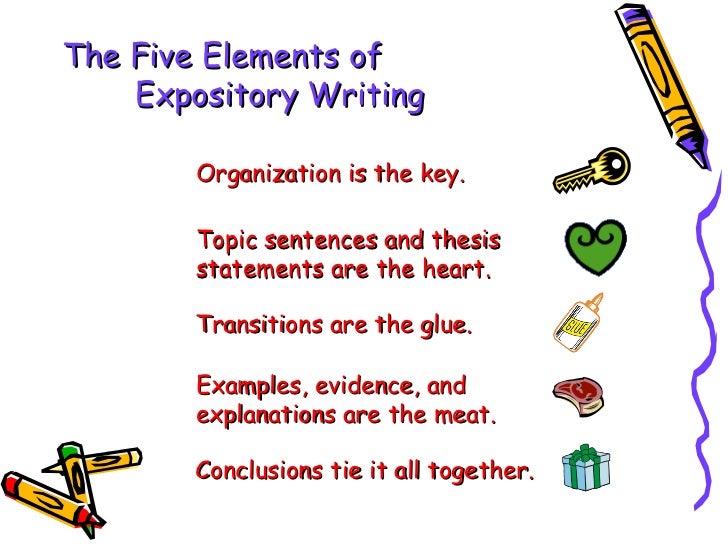
Chart Ideas for Expository Writing
Examples of how to use transitional words in a sentence to guide your reader throughout your writing.


Before I go, be sure to 'hook' your reader with the first sentence of your piece. Ask a question, hold on to their interest until the very end of your piece!
Happy writing future authors!
Before I go, be sure to 'hook' your reader with the first sentence of your piece. Ask a question, hold on to their interest until the very end of your piece!
Happy writing future authors!
Reflection Three: Expository Writing
Reflection on a class on Tuesday 25th October 2016 on Expository Writing.
During this session, the class lecturer Miss Polius reinforced and educated us on one type of writing which is expository writing. Expository writing is a form of writing which serves several purposes. Some of these purposes include: to educate, to instruct, to give directions, to explain and to inform.
We also learned when writing an effective expository piece, there are some key elements which should be evident throughout the piece. One of these elements include the use of transitional words. Some transitional words which can be used when engaging in expository writing include: first and foremost, to begin with, firstly, secondly, thirdly, moreover, furthermore, additionally, to conclude and in conclusion. Miss Polius, our lecturer, also highlighted that a comma must be present after each transitional word when writing any piece of writing. We were able to acquire a range of different transitional words which are used at different points of writing an expository piece for our own personal use. These transitional words will ensure that our personal writing is organized and will add coherence to the ideas highlighted in the writing.
During this session, the class lecturer Miss Polius reinforced and educated us on one type of writing which is expository writing. Expository writing is a form of writing which serves several purposes. Some of these purposes include: to educate, to instruct, to give directions, to explain and to inform.
We also learned when writing an effective expository piece, there are some key elements which should be evident throughout the piece. One of these elements include the use of transitional words. Some transitional words which can be used when engaging in expository writing include: first and foremost, to begin with, firstly, secondly, thirdly, moreover, furthermore, additionally, to conclude and in conclusion. Miss Polius, our lecturer, also highlighted that a comma must be present after each transitional word when writing any piece of writing. We were able to acquire a range of different transitional words which are used at different points of writing an expository piece for our own personal use. These transitional words will ensure that our personal writing is organized and will add coherence to the ideas highlighted in the writing.
Saturday, 22 October 2016
Reflection Two - THE WRITING PROCESS: REVISING
This reflection is based on the
class held on the 18th of October, 2016. This time, we looked at the
second part of the writing process which is REVISING. At this stage of writing,
the writer i ensures that all the ideas that was writing in the drafting stage are in this
segment.
The
lecturer, Miss Polius continued the class with her draft paragraph and we were
to assist her in revising the paragraph. She asked for volunteers to help.
Thereafter she assessed the contributions made by our colleagues and took the
time to immediately address the misconception that some of us possessed. We were of the perception that at this stage, spelling errors were to be corrected, but essentially this is not the case. In
the revision stage, all that is done is ensuring that all the ideas that were
jotted down in the graphic organizer are in the piece, ensuring that the piece
flows smoothly, moreover, words can be changed and new information can be added
to the piece
This session was an extremely thought-provoking
one and we appreciate the way the lecturer goes about modeling and allowing us
to assist in the process, giving the class a whole new meaning. Instead of only
being told what to do, we are actively involved in the writing process. However,
there is one thing that we felt could have made the class even more superb and
that is for the demonstration piece to have been placed on a bigger sheet of
paper because it got a bit confusing and difficult to follow when all the corrections were made on just one sheet of paper.
Nonetheless, this was another exceptional class.

Wednesday, 19 October 2016
Additional Links to the Blogs of our classmates
anthberthkeys.blogspot.com
tabsnashrina.blogspot.com
denneryteachers.blogspot.com
denneryteachers.blogspot.com
lisavernkwa.blogspot.com
chrishminthel.blogspot.com
mafecildenis.blogspot.com
Reflection Number One for the Period of the 10th - 14th October, 2016
This
week’s class has been a demonstration lesson to teach Fourth Grade Students
about how to write descriptive pieces. The writing process was also
incorporated into the lesson. We believe that by equipping the students with
the knowledge of the writing process and how to use it effectively, we as
teachers, are helping students build confidence in their writing abilities as
well as promote independence and self-direction. We really enjoyed this
class because two out of the three blog owners are novice to the teaching
profession and by having such a knowledgeable lecturer, we deeply appreciated
her modelling this lesson, so that we know exactly what is expected of us when
we do stand in front of a class. We took down all the steps and wrote out all
the activities in detail that our lecturer, Miss Polius, conducted with us
because we do hope to utilize it in the near future. Most times in the
classroom, the teacher will tell us what is expected of us when we are on our
teaching practice journey, however, it is another thing when a teacher actually
models these behaviors with the
class. Another thing which really seemed interesting to us was the Five Senses
Cluster. This is an extraordinary tool for helping students organize their
thoughts about the given topic into the five senses: taste, sight, feeling,
hearing and smelling. We really appreciated how active and involved all
our classmates were in the exercise, even to the point where we acted like
actual fourth Grade students.
Although this experience
has helped us develop professionally, it has also helped us developed on a
personal level because another component of this assignment requires us to put
together a Writing Portfolio with pieces written for different purposes,
reflecting five different genres of writing, with the first being descriptive.
Therefore, we are of the belief that this in class exercise will help us tremendously
when it comes to the compilation of this particular assignment.
Our suggestion for this lesson was that the Lecturer should have provided everyone with a copy of the descriptive piece that she used in the introduction of the lesson so that we are able to follow on our own because although some students may hear and are able envision what is being said, that picture is not complete until they are able to see what is being read. However apart from this, there is nothing that we would change about this week's class.
Our suggestion for this lesson was that the Lecturer should have provided everyone with a copy of the descriptive piece that she used in the introduction of the lesson so that we are able to follow on our own because although some students may hear and are able envision what is being said, that picture is not complete until they are able to see what is being read. However apart from this, there is nothing that we would change about this week's class.
Sunday, 16 October 2016
Welcome
This blog is created as part of our Promoting Writing In the Primary Grades course at DTEEA. Follow us on this journey, where we explore different strategies to promote writing among students.
Subscribe to:
Comments (Atom)